







 Download Case Study
5.0

"APPWRK IT Solutions Private Limited has demonstrated high confidence in their commitment..."




 Download Case Study
Logistics & Transportation
Large enterprises across FMCG, retail, and manufacturing operate complex, high-volume logistics networks spanning factories, warehouses, transport partners, brokers, and end customers. Managing these networks goes far beyond basic shipment booking and requires coordinated execution across planning, brokerage, transportation, real-time tracking, documentation, and financial settlement, often across multiple transport modes.
Kargo is conceived as a global-scale multimodal logistics enterprise to address this complexity. As its network expanded to support freight operations for more than 100 enterprise brands, the organization required a unified system capable of orchestrating multimodal freight execution across shippers, transporters, warehouses, and drivers, while maintaining strong operational and financial control.
To achieve this, Kargo partnered with APPWRK to engineer a cloud-native Freight Management System designed as a single operational control layer for enterprise logistics. The system was designed to unify end-to-end freight workflows across web and mobile channels, supporting both enterprise users and field-level execution.
APPWRK engineered and transformed this system into a production-grade freight operations backbone capable of serving multiple large enterprises, while supporting nationwide multimodal freight operations that unifies execution, finance, governance, and field operations into a single, scalable system for enterprise logistics.
The platform was designed as a single operating environment that brings brokerage, shipper workflows, and transportation execution into one governed system, eliminating cross-tool handoffs and standardizing operations across the network.
The system manages the complete freight lifecycle from shipment creation and bid-based allocation through execution, delivery, and post-delivery settlement. System-driven workflows ensure scalable freight operations across high-volume enterprise shipments.
The Freight Management System enables enterprise-grade spot bidding from verified transporters and fleet partners for controlled price discovery. Approval workflows and compliance checks are enforced before allocation, ensuring cost control and commercial governance across freight operations.
The application provides real-time status updates on shipment progress, pickup and delivery milestones, and driver execution, along with GPS-based freight tracking, giving operations teams clear visibility into how freight is moving and enabling faster response to on-ground issues.
The driver application allows drivers to update shipment status, share live location, and follow execution workflows from the field, giving operations teams real-time visibility into last-mile freight execution. This results in improved last-mile execution reliability, faster exception response, reduced manual follow-ups, and real-time field accountability.
The Freight Management System centralizes SME and enterprise shipper management along with contracts, shipment documents, and invoices within a single system of record. This simplifies onboarding, strengthens governance and auditability, and enables faster issue resolution across enterprise freight operations.
Freight execution is tightly linked with invoicing, payables, receivables, claims, and aging within the Freight Management System, giving teams a clear shipment-level financial view while improving cost control, reducing revenue leakage, and accelerating settlement across freight operations.
Warehouses function as active operational nodes within kargo’s Freight Management System, supporting routing, multimodal handoffs, execution tracking, and financial workflows across land and water freight operations.
The Freight Management System embeds transporter verification, mandatory documentation, audit trails, and role-based access control directly into daily operations, ensuring compliance, operational discipline, and secure segregation of duties across enterprise freight users.
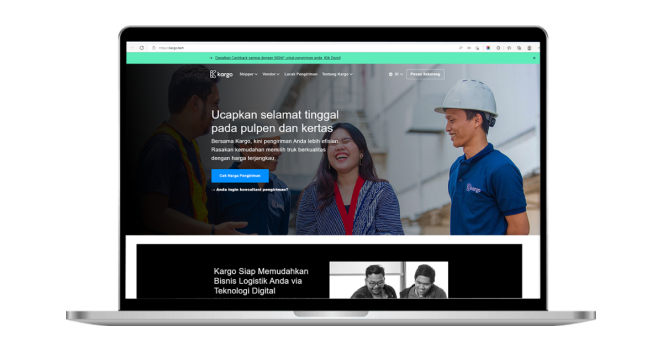
Real-time status updates and GPS-based proof of delivery (POD) provide operations teams with up-to-date shipment insights, improving transparency and reliability across freight operations.
Seamless linking between freight booking, execution, and settlement workflows accelerates business cycles, reducing time from booking confirmation to invoicing and payment reconciliation.
End-to-end tracking of invoices, receivables, and payables within the Freight Management System strengthens financial control and reduces revenue leakage.
Eliminating fragmented processes and manual coordination cuts operational effort for shippers, brokers, transporters, and drivers, enabling more efficient freight lifecycle execution.
The system supports both SME and large enterprise freight forwarders with a single platform for digital freight operations, improving scalability and onboarding.
Built-in transporter verification, documentation controls, and structured digital workflows enhance compliance and governance across enterprise logistics.
Coordinated execution across land and water transportation routes with centralized tracking reduces handoff friction and improves overall shipment reliability.
Kargo represents a modern, enterprise-grade approach to logistics and transportation management. By unifying brokerage, execution, tracking, documentation, and financial governance into a single platform, the system has evolved into a scalable freight operations backbone serving 100+ brands and multiple large enterprises. APPWRK delivered not just a logistics application, but a future-ready digital foundation for managing complex, multi-party logistics networks at global scale.
“The company is satisfied with APPWRK IT Solutions Private Limited’s provided engineers. Most of the team was highly communicative and helpful throughout the partnership. Overall, their ability to supply developers across South East Asia stands out.”

 April 14, 2026
A unified SaaS insurance platform that centralizes claims, policy management, and analytics to streamline end-to-end insurance operations.
 January 7, 2026
A centralized digital platform enabling Unilever to standardize frontline training, certification, and compliance across global manufacturing operations.
 January 6, 2026
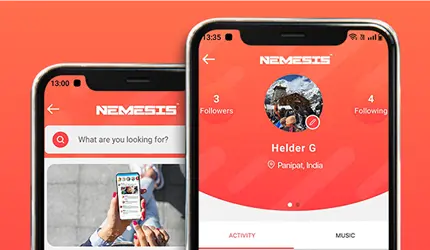
A scalable dual-panel social commerce super app that unifies content discovery, marketplace transactions, payments, and logistics into a single platform.
 December 29, 2025
Built a scalable cloud-based file upload, processing, and delivery platform to improve reliability, performance, and operational resilience for high-volume application workloads.

 June 14, 2026
DocuGuardian extended its secure document platform so organizations can onboard and manage their own clients on a hardened AWS foundation.
 April 22, 2026
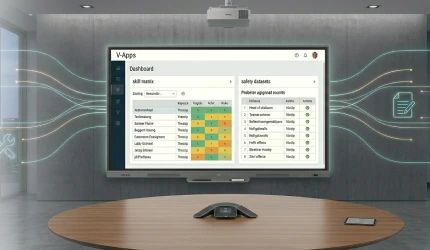
A multi-tenant SaaS platform centralizing workforce, resource, and cross-organization operations with governed access control and lifecycle management.
 April 22, 2026
An AI-powered career enablement platform delivering ATS-optimized resumes, personalized job discovery, and skill gap insights within a unified candidate experience.
 April 17, 2026
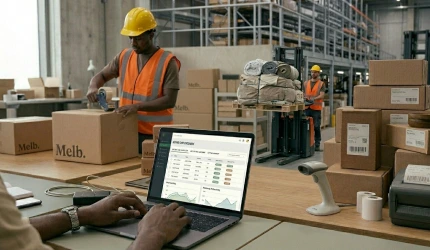
A fully integrated Inventory Management System that consolidated all channel operations into a single centrally governed platform.
 April 15, 2026
A fully integrated, scalable commerce platform enabling dynamic product content, subscription revenue and seamless wholesale operations for a growing D2C health brand.
 January 5, 2026
AI-powered, multi-modal conversational sales assistant transforming digital product discovery and assisted selling for a leading consumer appliance brand.
 December 31, 2025
Engineering an enterprise-grade, developer-first charting and data visualization SDK used to embed high-performance interactive charts across products and applications.
 December 26, 2025
Transforming Technical Hiring Through Dynamic Interviews, Real-Time Evaluation, and Automated Candidate Scoring.
 December 25, 2025
An AI-powered trading platform enabling intelligent strategy creation, automated execution, and real-time performance insights for modern digital traders.
 December 23, 2025
A unified enterprise analytics platform that consolidates operational data across systems into real-time, role-based dashboards, enabling faster decision-making and consistent performance visibility across locations.
 December 11, 2025
A scalable digital experience platform enabling Sportskeeda to deliver high-performance content, real-time engagement, and seamless user journeys across global audiences.
 December 10, 2025
An AI-powered conversational agent that enables intelligent, context-aware customer interactions through natural language understanding, real-time responses, and seamless multi-channel integration.

Odds and Ends Supply LLC
Appwrk delivered exactly what we needed a custom Shopify app built with speed, precision, and deep expertise. As a non-technical founder, I especially appreciated how their team guided me through every step and handled all complexities seamlessly. Highly responsive, reliable, and great to work with. I’d strongly recommend them for any Shopify development needs.

ICT Specialist
The communication with the web development team has been great. They respond quickly.

Founder & CEO, Nemesis
The team is very good, very efficient, and they leave me good review videos of the work they’ve done, and they help out a whole lot.

Director, PlusDigital
The product is still under development, but the client has been pleased with APPWRK IT Solutions’ efforts. The team communicates daily and responds quickly via Skype or email. Their high level of professionalism allows them to produce quality work. They’ve also impressed with their coding skills.

Owner, ECONESS Store
APPWRK IT Solutions Private Limited consistently delivers work on time and promptly addresses concerns, requests, and feedback.
Kargo
The company is satisfied with APPWRK IT Solutions Private Limited’s provided engineers. Most of the team was highly communicative and helpful throughout the partnership. Overall, their ability to supply developers across South East Asia stands out.

"APPWRK IT Solutions Private Limited has demonstrated high confidence in their commitment..."
"The team at APPWRK was proactive, transparent, and truly professional."
"They exceeded our expectations — on time, on budget, and with creativity!"
No empty sales pitches, just practical solutions
tailored to your business.
Let us know so we can improve the quality of the content on our pages