






5.0

"APPWRK IT Solutions Private Limited has demonstrated high confidence in their commitment..."




Consumer Packed Goods
 ReactJs
 Node.js
 AWS
AWS
 Azure
Azure
Unilever operates a large and geographically distributed manufacturing network and depends heavily on frontline and contract labour across its factories. Making sure that workers are properly onboarded, trained, and certified is essential to maintaining safety, compliance, and smooth day-to-day operations on the factory floor.
Over time, training and onboarding activities had become fragmented across sites. Many processes relied on manual coordination, paper records, and local practices. This made it difficult to maintain consistent training standards, delayed the onboarding of new and contract workers, and created challenges during audits.
To address this, Unilever implemented a centralized digital platform to support labour onboarding, training, and certification across manufacturing locations. The platform DigiLTO, is designed to train, certify, and onboard factory workers with a strong focus on safety, compliance, and role-based readiness.
The solution replaces manual and paper-based processes with a structured and auditable system that can scale across large manufacturing environments. It ensures that workers are assigned the right training based on their role and site, complete required assessments, and receive certifications only after meeting defined criteria.
By digitizing the onboarding-to-certification journey, Unilever improved the speed and consistency of frontline onboarding, strengthened safety adherence, and reduced the administrative effort required to manage training and compliance across factories.
Training and certification activities across factories were managed through a combination of manual processes and site-level practices. This led to inconsistencies in how training standards were applied, limited traceability of certification records, and difficulty in maintaining a unified view of workforce readiness across locations.
While job roles differed significantly across operations, the existing approach did not provide a structured way to align training and certification requirements with specific designations. As a result, assessments were often generic and did not fully reflect the knowledge and competency expectations of individual operational roles.
Validation of training completion, external certifications, and supporting documents relied heavily on email-based or offline approvals. These manual workflows increased administrative effort, extended approval timelines, and made it challenging to maintain consistent governance across sites.
Supervisors and functional teams lacked a single, consolidated view of training completion and certification status across the workforce. Monitoring readiness, identifying gaps, and planning corrective actions required manual follow-ups, making oversight reactive rather than structured.
In some cases, frontline and contract workers could be deployed before all mandatory training and certifications were fully verified. This created potential exposure to safety, quality, and compliance risks within manufacturing operations.
Preparing for internal and regulatory audits required collating training and certification data from multiple sources. The lack of standardized records and centralized reporting increased audit effort and made compliance checks more dependent on manual coordination.
DigiLTO was implemented as a centralized platform to standardize workforce training and certification across factories. The solution established a single system to manage training, assessments, approvals, and certification records, replacing fragmented and manual site-level practices.
The solution introduced a structured two-stage assessment model, ensuring that all employees complete mandatory safety training while enabling additional role-specific assessments based on operational responsibilities. This approach ensured baseline compliance without compromising role relevance.
Training and assessments were organized around configurable themes such as Safety, Quality, and Process. This allowed training content and questions to be aligned with real job contexts while maintaining consistency in how evaluations were conducted across sites.
Administrative controls were provided to map job roles and designations to specific training themes and certification requirements. This enabled controlled flexibility, allowing operational teams to adapt training requirements without breaking enterprise governance standards
DigiLTO introduced automated certificate generation with defined validity periods, along with system-driven tracking of expiries and renewal requirements. This reduced manual effort and ensured certifications remained current and enforceable.
Approval workflows for training completion, external certifications, and supporting documents were digitized and standardized. This reduced turnaround times, improved consistency in approvals, and strengthened audit traceability.
The platform provided consolidated visibility into training completion and certification status across sites. Supervisors and compliance teams gained timely insight into readiness gaps, enabling proactive workforce planning and compliance management.
DigiLTO enabled structured reporting and standardized certification records, simplifying audit preparation and reducing dependency on manual data collation during internal and regulatory reviews.
Unilever gained consistent, enterprise-wide control over workforce training and certification, reducing dependency on site-level practices and enabling more predictable readiness across manufacturing operations.
Automated tracking of certification validity and renewals shifted compliance management from reactive follow-ups to proactive enforcement, lowering the risk of expired or missing certifications on the shopfloor.
Clear validation of training completion and certification status ensured that frontline workers were deployment-ready, improving confidence among supervisors and reducing operational uncertainty.
Digitization of assessments, approvals, and certification records reduced manual effort for HR, safety, and operations teams, allowing them to focus on oversight rather than administration.
Centralized records and standardized certification outputs simplified audit preparation, reduced time spent collating evidence, and improved the reliability of information presented during internal and regulatory reviews.
Real-time visibility into training and certification status enabled managers to identify readiness gaps earlier, plan corrective actions, and make informed workforce deployment decisions.
The platform established a repeatable framework that can support additional training domains, new roles, and evolving compliance requirements without disrupting existing operations.
This engagement enabled Unilever to establish a unified, audit-ready workforce training ecosystem across its manufacturing network. The platform strengthened compliance, improved operational visibility, and created a scalable foundation for future workforce readiness initiatives.

 April 14, 2026
A unified SaaS insurance platform that centralizes claims, policy management, and analytics to streamline end-to-end insurance operations.
 January 7, 2026
A unified logistics, supply chain, and transportation management platform built to power enterprise-scale freight operations across multiple brands and partners.
 January 6, 2026
A scalable dual-panel social commerce super app that unifies content discovery, marketplace transactions, payments, and logistics into a single platform.
 December 29, 2025
Built a scalable cloud-based file upload, processing, and delivery platform to improve reliability, performance, and operational resilience for high-volume application workloads.

 June 14, 2026
DocuGuardian extended its secure document platform so organizations can onboard and manage their own clients on a hardened AWS foundation.
 April 22, 2026
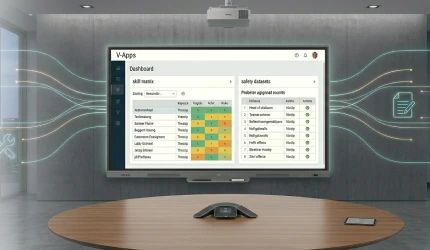
A multi-tenant SaaS platform centralizing workforce, resource, and cross-organization operations with governed access control and lifecycle management.
 April 22, 2026
An AI-powered career enablement platform delivering ATS-optimized resumes, personalized job discovery, and skill gap insights within a unified candidate experience.
 April 17, 2026
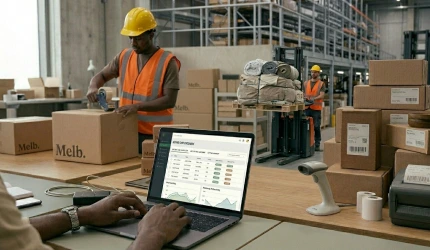
A fully integrated Inventory Management System that consolidated all channel operations into a single centrally governed platform.
 April 15, 2026
A fully integrated, scalable commerce platform enabling dynamic product content, subscription revenue and seamless wholesale operations for a growing D2C health brand.
 January 5, 2026
AI-powered, multi-modal conversational sales assistant transforming digital product discovery and assisted selling for a leading consumer appliance brand.
 December 31, 2025
Engineering an enterprise-grade, developer-first charting and data visualization SDK used to embed high-performance interactive charts across products and applications.
 December 26, 2025
Transforming Technical Hiring Through Dynamic Interviews, Real-Time Evaluation, and Automated Candidate Scoring.
 December 25, 2025
An AI-powered trading platform enabling intelligent strategy creation, automated execution, and real-time performance insights for modern digital traders.
 December 23, 2025
A unified enterprise analytics platform that consolidates operational data across systems into real-time, role-based dashboards, enabling faster decision-making and consistent performance visibility across locations.
 December 11, 2025
A scalable digital experience platform enabling Sportskeeda to deliver high-performance content, real-time engagement, and seamless user journeys across global audiences.
 December 10, 2025
An AI-powered conversational agent that enables intelligent, context-aware customer interactions through natural language understanding, real-time responses, and seamless multi-channel integration.

Odds and Ends Supply LLC
Appwrk delivered exactly what we needed a custom Shopify app built with speed, precision, and deep expertise. As a non-technical founder, I especially appreciated how their team guided me through every step and handled all complexities seamlessly. Highly responsive, reliable, and great to work with. I’d strongly recommend them for any Shopify development needs.

ICT Specialist
The communication with the web development team has been great. They respond quickly.

Founder & CEO, Nemesis
The team is very good, very efficient, and they leave me good review videos of the work they’ve done, and they help out a whole lot.
Director, PlusDigital
The product is still under development, but the client has been pleased with APPWRK IT Solutions’ efforts. The team communicates daily and responds quickly via Skype or email. Their high level of professionalism allows them to produce quality work. They’ve also impressed with their coding skills.
Owner, ECONESS Store
APPWRK IT Solutions Private Limited consistently delivers work on time and promptly addresses concerns, requests, and feedback.
Kargo
The company is satisfied with APPWRK IT Solutions Private Limited’s provided engineers. Most of the team was highly communicative and helpful throughout the partnership. Overall, their ability to supply developers across South East Asia stands out.

"APPWRK IT Solutions Private Limited has demonstrated high confidence in their commitment..."
"The team at APPWRK was proactive, transparent, and truly professional."
"They exceeded our expectations — on time, on budget, and with creativity!"
No empty sales pitches, just practical solutions
tailored to your business.
Let us know so we can improve the quality of the content on our pages