


 Download Case Study


 Download Case Study
5.0

"APPWRK IT Solutions Private Limited has demonstrated high confidence in their commitment..."




Sportskeeda operates as a high-growth, digital-first sports media enterprise, delivering real-time i...

A leading home care agency in the United States, operating through a network of family practice clin...
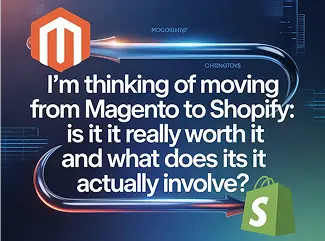
The decision to move from Magento to Shopify is one of the most significant replatforming choices an ecommerce business can make. Magento is powerful, but its power comes with...

Accuracy gap is real: Traditional CPG forecasting carries a 25-40% MAPE error rate. AI-powered models bring that down to 8-15%, according to McKinsey research....
 ReactJs
 Node.js
 AWS
AWS
 Azure
Azure
 GPT 4.1
IFB, one of India’s leading consumer durables brands, set out to reimagine how customers discover and evaluate products online. With a growing portfolio of SKUs and increasingly informed digital buyers, traditional catalog and filter-based experiences were making it harder for customers to choose the right appliance with confidence. IFB needed a smarter, more intuitive approach to support high-consideration purchase journeys.
To address this, IFB partnered with APPWRK to design and deploy a conversational AI platform that acts as a digital sales assistant. The solution uses conversational AI, intent understanding, and rule-driven intelligence to guide customers through structured product discovery and personalized recommendations.
This allowed IFB to bring the in-store advisory experience into its digital commerce channels. The initiative enabled a more personalized, data-driven, and conversation-led buying experience aligned with modern digital commerce expectations. Customers could engage with the AI assistant through natural, guided interactions that simplified complex decision-making.
By reducing reliance on manual sales support and improving decision clarity, IFB strengthened customer engagement across the consideration phase. The platform also created a scalable foundation for future GenAI-powered commerce enablement. This positioned IFB to continuously evolve its digital commerce strategy as customer needs and technologies advance.
Customers found it difficult to navigate the growing appliance portfolio and identify the right product quickly based on real life use cases. The existing digital experience lacked structured guidance which affected engagement and slowed overall digital commerce growth.
The platform struggled to understand customer intent and deliver relevant recommendations in real time. This limited the effectiveness of personalization strategies and reduced confidence during high consideration purchases.
With multiple variants across categories such as washing machines with different kilogram capacities and ovens or microwaves with varying litre sizes and feature sets, customers often struggled to understand which option suited their household needs. The absence of guided selling support made it difficult to compare specifications confidently, leading to longer decision cycles and purchase hesitation.
While in store advisors provided step by step guidance, the online experience did not offer the same level of support. This created a need for scalable conversational AI and self service advisory capabilities.
Product browsing, customer support, and appointment scheduling operated as isolated processes rather than a unified journey. The absence of connected workflows reduced efficiency and prevented a smooth end to end digital commerce experience.
As the organization began exploring generative AI, there were valid concerns around response accuracy, brand consistency, data security, and regulatory compliance. Without a structured governance model and scalable cloud infrastructure, AI adoption could introduce operational risk instead of business value.
The platform introduced an AI powered product discovery experience that understands customer intent and simplifies complex buying decisions. Through a structured guided selling engine customers could easily compare washing machine kg capacities, microwave variants, and feature differences, leading to stronger engagement and improved digital commerce performance.
An intelligent recommendation engine was introduced to understand user queries and contextual preferences in real time. This enabled intent driven personalization by suggesting products that truly matched household size, usage habits, and budget expectations.
Computer vision and multimodal AI were used to identify dishes from uploaded food images and understand what the user intends to cook. The system then checks microwave suitability and provides relevant recipe guidance, helping customers see the real world utility of the appliance in everyday cooking.
Product discovery, customer support, appointment booking, and location services were brought together through Agentic orchestration into a single connected journey. This enabled a seamless omnichannel customer experience where users could move naturally from product exploration to advisory support and service scheduling without disruption.
A structured AI governance framework was established to monitor responses, enforce brand alignment, and maintain data security standards. With guardrail models in place, generative AI adoption remained controlled, compliant, and reliable across customer interactions.
APPWRK delivered a production-grade AI sales platform, purpose-built for enterprise-scale digital commerce, not a generic chatbot or rule-based assistant.

 June 14, 2026
DocuGuardian extended its secure document platform so organizations can onboard and manage their own clients on a hardened AWS foundation.
 April 22, 2026
Built a scalable cloud-based file upload, processing, and delivery platform to improve reliability, performance, and operational resilience for high-volume application workloads.
 April 22, 2026
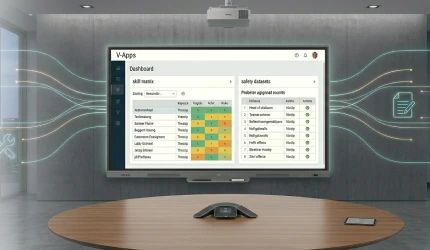
Engineering an enterprise-grade, developer-first charting and data visualization SDK used to embed high-performance interactive charts across products and applications.
 April 22, 2026
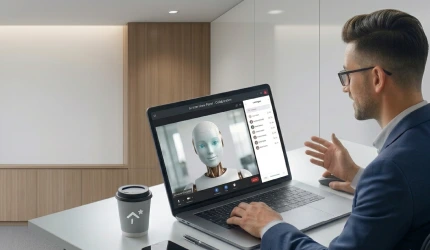
A multi-tenant SaaS platform centralizing workforce, resource, and cross-organization operations with governed access control and lifecycle management.
 April 22, 2026
An AI-powered career enablement platform delivering ATS-optimized resumes, personalized job discovery, and skill gap insights within a unified candidate experience.
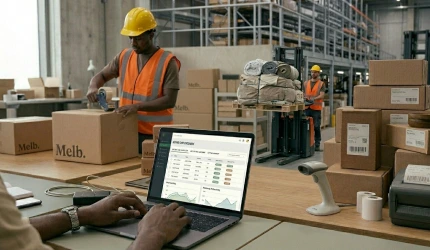 April 17, 2026
A fully integrated Inventory Management System that consolidated all channel operations into a single centrally governed platform.
 April 15, 2026
A global leader in consumer goods faced challenges...
 April 15, 2026
A unified SaaS insurance platform that centralizes claims, policy management, and analytics to streamline end-to-end insurance operations.




 February 15, 2026
A global leader in consumer goods faced challenges...
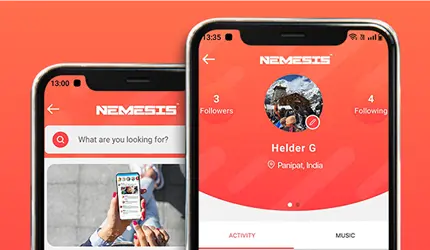

 February 15, 2026
A global leader in consumer goods faced challenges...
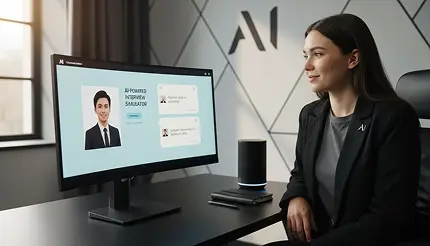 February 14, 2026
A global leader in consumer goods faced challenges...

Odds and Ends Supply LLC
Appwrk delivered exactly what we needed a custom Shopify app built with speed, precision, and deep expertise. As a non-technical founder, I especially appreciated how their team guided me through every step and handled all complexities seamlessly. Highly responsive, reliable, and great to work with. I’d strongly recommend them for any Shopify development needs.

ICT Specialist
The communication with the web development team has been great. They respond quickly.

Founder & CEO, Nemesis
The team is very good, very efficient, and they leave me good review videos of the work they’ve done, and they help out a whole lot.

Director, PlusDigital
The product is still under development, but the client has been pleased with APPWRK IT Solutions’ efforts. The team communicates daily and responds quickly via Skype or email. Their high level of professionalism allows them to produce quality work. They’ve also impressed with their coding skills.

Owner, ECONESS Store
APPWRK IT Solutions Private Limited consistently delivers work on time and promptly addresses concerns, requests, and feedback.

Kargo
The company is satisfied with APPWRK IT Solutions Private Limited’s provided engineers. Most of the team was highly communicative and helpful throughout the partnership. Overall, their ability to supply developers across South East Asia stands out.

"APPWRK IT Solutions Private Limited has demonstrated high confidence in their commitment..."
"The team at APPWRK was proactive, transparent, and truly professional."
"They exceeded our expectations — on time, on budget, and with creativity!"
No empty sales pitches, just practical solutions
tailored to your business.
Let us know so we can improve the quality of the content on our pages